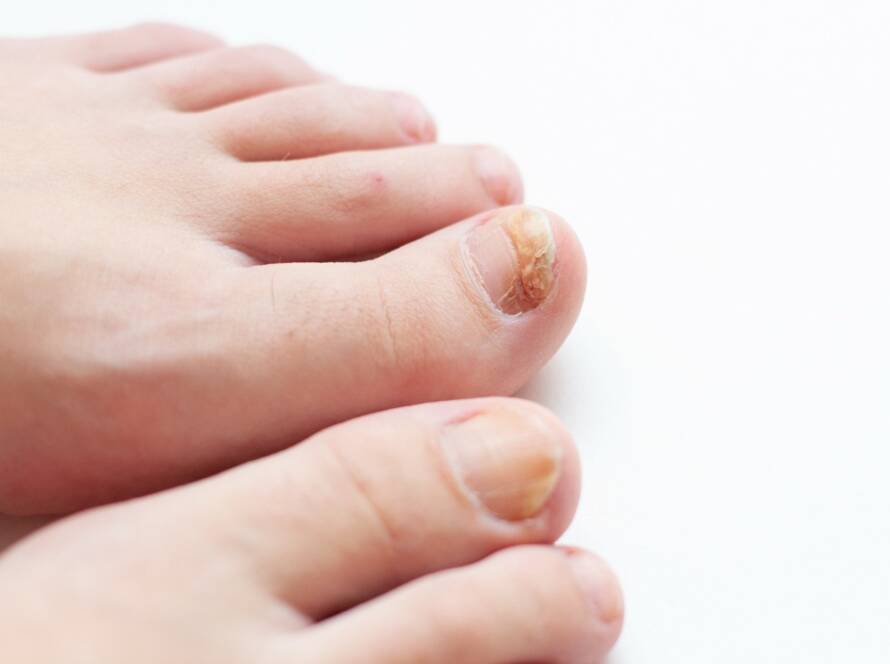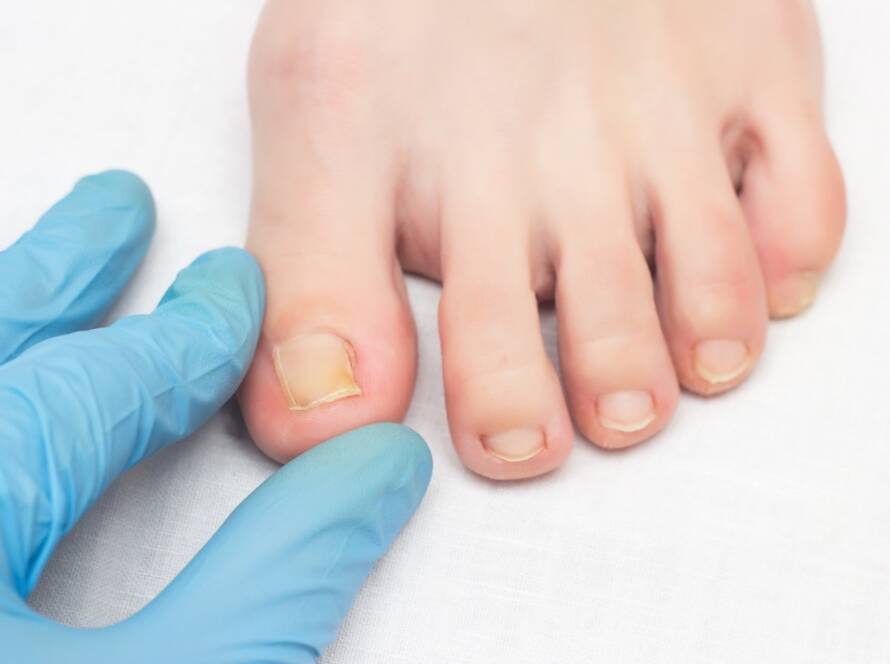

Paronychia, commonly known as an ingrown toenail infection,is marked by typical symptoms such as redness, swelling and discomfort around the nail, pus discharge, nail deformity, and even systemic fever.Mild paronychia can heal on its own in approximately 3 to 5 days, with proper care of the affected area.
However, severe paronychia requires diagnosis and treatment by a professional podiatrist—oral or topical medications alone will not lead to a cure, and delayed medical attention may even progress to cellulitis.
What Causes Paronychia?
Paronychia can stem from a variety of factors,including pressure, past trauma, external injury, hallux valgus, bacterial or fungal infections, and more.The key contributing factors are:

1. Congenital Hereditary Conditions
Congenital or inherited conditions such as ingrown curling nails, overly wide nail plates or abnormal toe bone growth can easily cause persistent inflammation, pain and discomfort around the nails. Professional paronychia treatment effectively relieves symptoms, repairs damaged tissue and prevents further infection.
2. Wearing Ill-Fitting Shoes
Prolonged wear of ill-fitting shoes exerts pressure on the toes, causing the nail to embed into the surrounding skin and trigger paronychia and other discomforts (Book an Assessment & Examination). This often leads to redness, swelling, pain and even infection around the nail—symptoms that professional paronychia treatment can effectively alleviate.
3. Flat Feet
Fallen foot arches in flat feet cause uneven pressure distribution during walking, subjecting the toes to excessive pressure and increasing the risk of paronychia. Professional assessment and examination can effectively reduce the incidence of paronychia and restore a comfortable walking experience.
4. Improper Nail Trimming
Improper nail trimming, especially cutting nails too short or unevenly, can easily cause nail edges to grow into the skin, leading to paronychia. If you already feel discomfort or signs of infection, professional paronychia treatment can effectively resolve these issues, relieve pain, and prevent the condition from worsening.
5. Onychomycosis & Psoriasis
Nail conditions such as fungal nail infection and psoriasis often thicken and deform nails, which can cause them to grow into the skin and raise the risk of paronychia. Fungal nail and psoriasis not only affect appearance but may also lead to redness, swelling, pain and even infection. Professional paronychia treatment can effectively relieve the pain caused by paronychia.
6. External Injury or Impact
Trauma or external impact can damage the tissue surrounding the nail and trigger paronychia. The nail may become embedded in the skin, causing redness, swelling, pain and even infection. For paronychia resulting from physical injury, professional treatment can effectively relieve symptoms and restore the health of the nail and surrounding tissue.
Paronychia Treatment Methods
There are two primary categories of paronychia treatment available today:
- Non-Invasive Treatment:Physical isolation to prevent irritation to the nail fold, combined with silver nitrate chemical cautery for granulation tissue.
- Invasive Treatment:Nail correction, nail bed reconstruction, partial toenail avulsion, and cautery of the affected nail matrix growth points.
As a professional podiatry clinic, our Australian Registered Podiatrist has 25 years of clinical experience.For paronychia, we leverage this expertise to accurately diagnose each patient’s condition and deliver targeted therapy. We offer comprehensive paronychia treatment courses, ranging from non-invasive care to nail correction and even nail bed reconstruction.
"I’ve been running marathons for years, and constant friction led to paronychia on my toes. With another race approaching, I worried about my performance, so I came here on a friend’s recommendation. After a few treatment sessions and consistent daily care, the pain is gone and I can run normally again. Thank you so much, Doctor!"
— Mr. Cheung
Paronychia Treatment Service Process
Our clinic’s paronychia treatment process is as follows:
- Accurately diagnose the stage of paronychia (acute or chronic)
- Develop a personalised treatment plan based on the stage and specific symptoms(Acute Paronychia / Chronic Paronychia)
- Provide wound care and dressing changes to ensure proper healing
Note: The number of treatment sessions depends on the severity of the paronychia infection. Mild cases typically show significant improvement after a single session, while severe or chronic cases may require multiple, more complex treatment courses.
In addition to professional paronychia treatment, our podiatrist also provides daily care advice to help you avoid recurrent pain:
- Apply cuticle oil or petroleum jelly to protect the tissue around the nails
- Trim nails in a flat, even manner
- Avoid toe compression and wear well-fitting shoes at all times