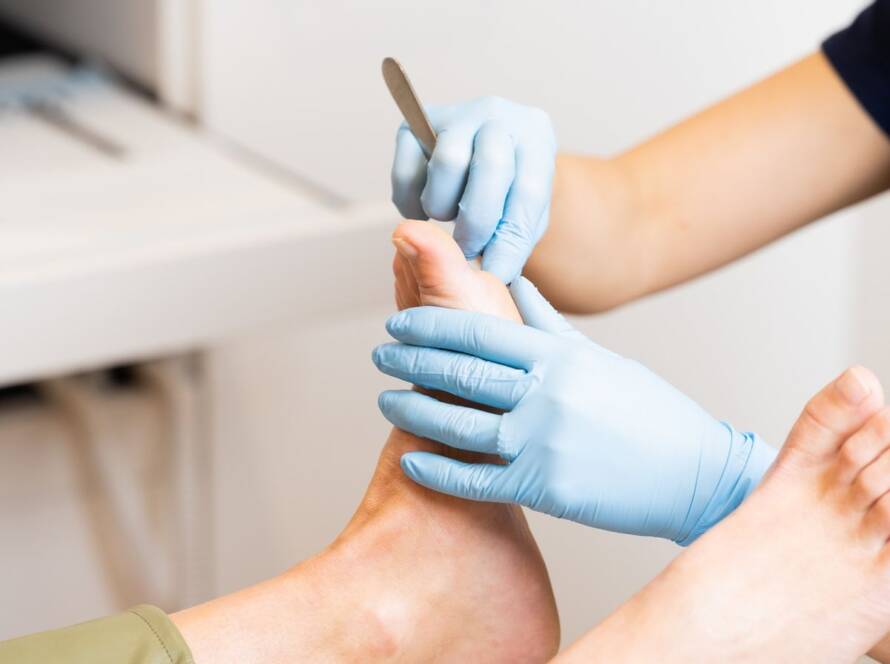

There are various treatment methods for corns, from medications and patches to cryotherapy and laser surgery, each suited for specific groups with distinct treatment outcomes. However, home care alone is often insufficient to completely resolve corns and reduce recurrence rates. This article delves into the effects, procedures and precautions of corn cryotherapy, helping you understand the key points to know before treatment.
What Are Corns?
Corns are a common foot skin hyperplasia condition caused by excessive thickening of the epidermal stratum corneum due to long-term pressure or friction on the skin.
Visually, corns typically present as well-defined, hard, round or oval bumps, often with a distinct central core, causing pain when walking or under pressure.
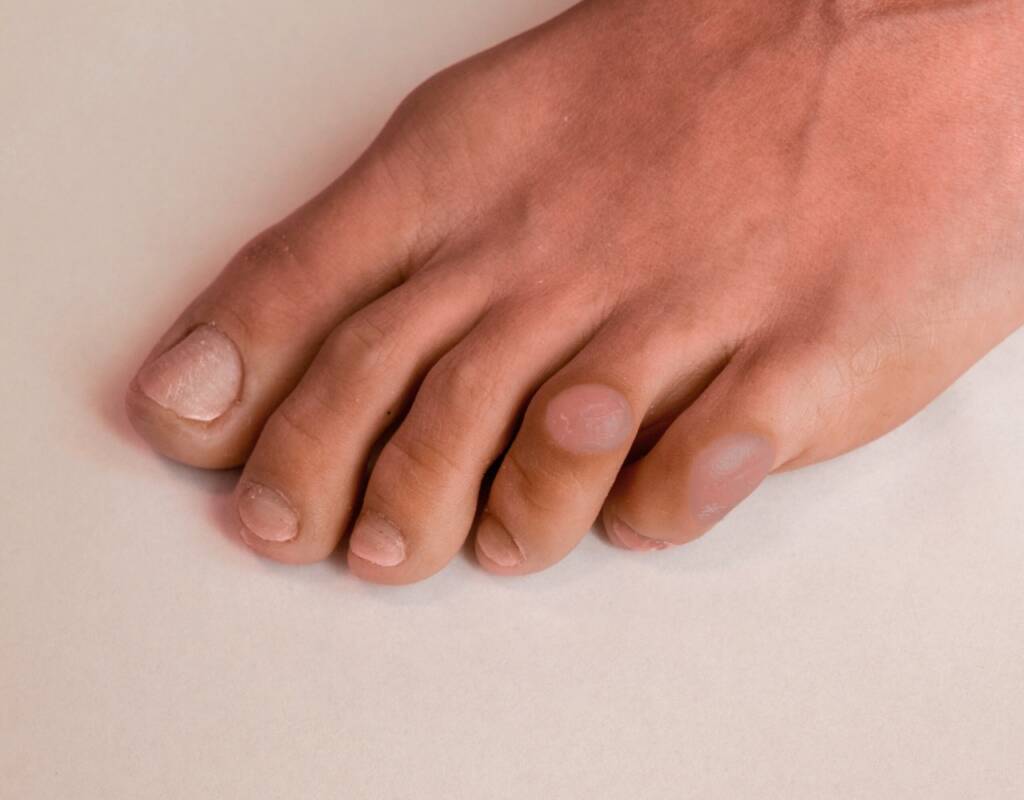
Common Corn Locations
- Between the toes
- Above the toe joints
- Forefoot
- Heels
Corns are primarily concentrated onweight-bearing areas or parts of the foot subject to frequent friction.
What Causes Corns?
- Wearing ill-fitting or tight shoes
- Prolonged walking or standing
- Abnormal foot bone structure
- Poor walking posture
Without timely intervention, corns may continue to worsen and even affect daily walking comfort.
How to Identify Corns
The most typical symptom of cornsis stabbing or pressure pain when walking or under pressure, usually located between the toes or on weight-bearing areas of the sole..
They appear as hard, round or oval bumps with a prominent central core; gentle pressure intensifies the pain.
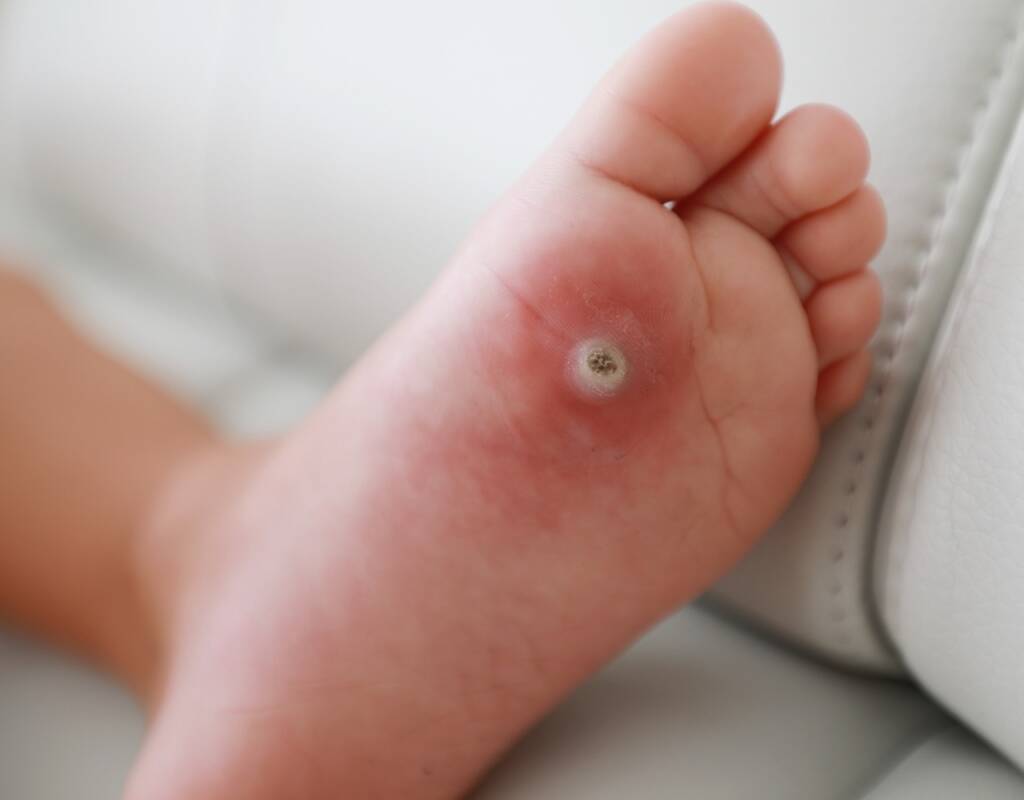
However, corns are easily confused with plantar warts (verrucae plantaris) and calluses, and the treatment methods for the three differ greatly—making accurate diagnosis crucial.
The comparison table below helps you distinguish between these different skin hyperplasia conditions:
| Corns | Plantar Warts (Verrucae Plantaris) | Calluses (Clavus) | |
|---|---|---|---|
| Cause | Keratin hyperplasia from long-term friction/pressure | Viral infection (e.g., human papillomavirus/HPV) | Keratin thickening from long-term friction/pressure |
| Appearance | Hard round/oval bumps with a central core | Rough surface with small black spots (microvascular thrombi) | Large, ill-defined patches with no central core |
| Contagiousness | No pain | Contagious, may spread to others | No pain |
| Common Locations | Between toes, toe joints, forefoot, heels | Soles, toes, even hands | Soles, toes, hands or other pressure-bearing areas |
If you are unsure whether your condition is a corn or a plantar wart, it is recommended to seek professional medical diagnosis as early as possible to avoid infection or delayed treatment from self-care.
Corn Treatment Methods
Corn treatments are diverse, and the most suitable course should be selected based on severity, pain level and corn type.
The common treatment methods are listed below, with an analysis of their respective pros, cons and suitable groups:
1. Topical Medication (Acid Ointments or Patches)
Corns can be treated with ointments or patches containing keratolytic ingredientssuch as salicylic acidor high-concentration urea, which soften the keratin and gradually remove the corn core.
- Pros:Convenient for home use, affordable, effective for mild corns.
- Cons:Long treatment duration with continuous use required;results are less immediate than professional treatment; improper use may damage healthy skin.
- Suitable forEarly-stage corns or patients unable to seek immediate medical attention.
2. Cryotherapy (Liquid Nitrogen)
Liquid nitrogen spray freezes the corn tissue,causing it to necrose and fall off naturally.Corn cryotherapy is a gradual process that usually requires multiple sessions.
- Pros:Non-surgical, effective for moderate corns, short treatment sessions.
- Cons:Pain during treatment with a post-procedure recovery period; deep corns may require multiple sessions for complete removal.
- Suitable forModerate corns, patients with poor response or recurrence with topical medication.
3. Laser Therapy
Laser energy precisely removes the corn’s keratin layer, effectively eliminating the lesion while minimising damage to surrounding healthy skin.
- Pros:Precise corn removal, fast wound healing, low recurrence rate.
- Cons:Higher cost, requires operation by a professional podiatrist.
- Suitable for: Patients with severe pain affecting walking, or recurrent corns despite multiple treatments.
4. Surgical Treatment
For severe or deep corns,microsurgery is used to directly resect the corn tissue,eliminating the lesion immediately.
- Pros:Provides immediate results and can thoroughly remove deep corns (complete cure is not guaranteed).
- Cons:Requires anaesthesia with a post-surgery recovery period; recurrence is still possible if underlying daily habits are not improved.
- Suitable forPatients with severe pain affecting walking, or recurrent corns despite multiple treatments.
As a professional podiatry clinic, our Australian Registered Podiatrist has 25 years of clinical experience in corn treatment. Leveraging years of expertise,
According to client feedback, most hospitals in the region mainly offer surgical treatment for corns. We are one of the few professional podiatry clinics specialising in **hands-on manual foot care**, providing professional and painless corn treatment.
Please note: Most corn surgeries cannot provide a permanent cure. The key to effective treatment lies in the podiatrist’s professional techniques, not surgical equipment. Whether a full cure can be achieved depends on individual lifestyle habits. We recommend consulting us for a second opinion before any corn surgery to reduce the risk of complications.
As a professional podiatry clinic, our Australian Registered Podiatrist has 25 years of clinical experience in corn treatment. Leveraging years of expertise,we accurately diagnose each patient’s condition and deliver targeted therapy.,We offer comprehensive corn treatment courses that precisely remove deep keratin roots without damaging surrounding healthy skin,with small wounds, low pain and fast recovery — and even better -and a significant reduction in corn recurrence risk.
Many people confuse corns with calluses and plantar warts, yet there are distinct differences between the three. Misdiagnosis will only lead to incorrect treatment and exacerbate the problem.
Key Considerations for Corn Treatment
Should You Try to Dig Out a Corn Yourself?
No, this is not recommended.Corns should be managed by a professional podiatrist to ensure safety and efficacy.
Self-extraction of corns carries the following risks:
- High infection risk:Household scissors or tools are difficult to sterilise thoroughly,increasing the chance of bacterial infection.
- Healthy skin damage:Improper depth control may cut healthy tissue, leading to larger wounds.
- Worsened corns:Incomplete removal of the central core may irritate further hyperplasia and exacerbate symptoms.
Do Corns Heal on Their Own?
Most corns do not resolve on their own, as they are keratin hyperplasia caused by long-term friction or pressure.As long as the irritant persists, corns will continue to form and become harder and deeper.
Even if pain subsides temporarily, corns may remain hidden in the deep layers of the skin and recur in the future.
Prolonged untreated corns may lead to the following complications:
- Worsening pain affecting walking:
As the corn core penetrates deeper into the skin, stabbing pain occurs with every step or while standing—even wearing shoes becomes uncomfortable, and severe cases may cause a limp. - Abnormal gait leading to other foot problems:
To alleviate pain, patients often unconsciously alter their walking posture,which can cause long-term pain in the ankles, knees or lower back. - Wound ulceration or infection:
Over-friction or self-extraction may cause the corn to rupture; without proper disinfection,
the risk of bacterial infection increases significantly,potentially leading to serious complications such as cellulitis. - Recurrent corns with increased treatment difficulty:
Untreated corns become thicker and harder over time, making future treatment more challenging and even requiring surgery for complete removal.
Our Professional Corn Treatment
As a professional podiatry clinic, our Australian Registered Podiatrist has 25 years of clinical experience in corn treatment. Leveraging years of expertise,we accurately diagnose each patient’s condition and deliver targeted therapy.,We offer comprehensive corn treatment courses that precisely remove deep keratin roots without damaging surrounding healthy skin,resulting in small post-procedure wounds, fast recoveryand a significant reduction in corn recurrence risk.
To ensureoptimal corn treatment results and minimise recurrence,special attention should be paid to the following during treatment and daily care:
- Keep feet clean and dry:
Wash and thoroughly dry your feet every day, especially between the toes, to prevent bacterial growth and reduce infection risk. - Choose appropriate shoes and socks:
Wear loose, breathable and well-fitting shoes;avoid tight shoes or high heels that cause friction.
Use soft or padded socks to reduce pressure, and wear custom orthotic insoles if necessary. - Follow the podiatrist’s treatment plan:
Complete the full course of cryotherapy, topical medication or laser therapy as advised—do not stop treatment early or switch methods on your own,as this may compromise results. - Protect the wound after treatment:
Keep the treated area clean and avoid friction; use breathable wound dressings for protection.*Return for an immediate check-up if redness, swelling, worsening pain or abnormal discharge occurs.
If your corns recur frequently or have affected your daily life, there is no need to endure the pain any longer. Book our professional assessment today, and our podiatrist will design the most suitable treatment plan for you, helping you regain a comfortable and effortless walking experience.