
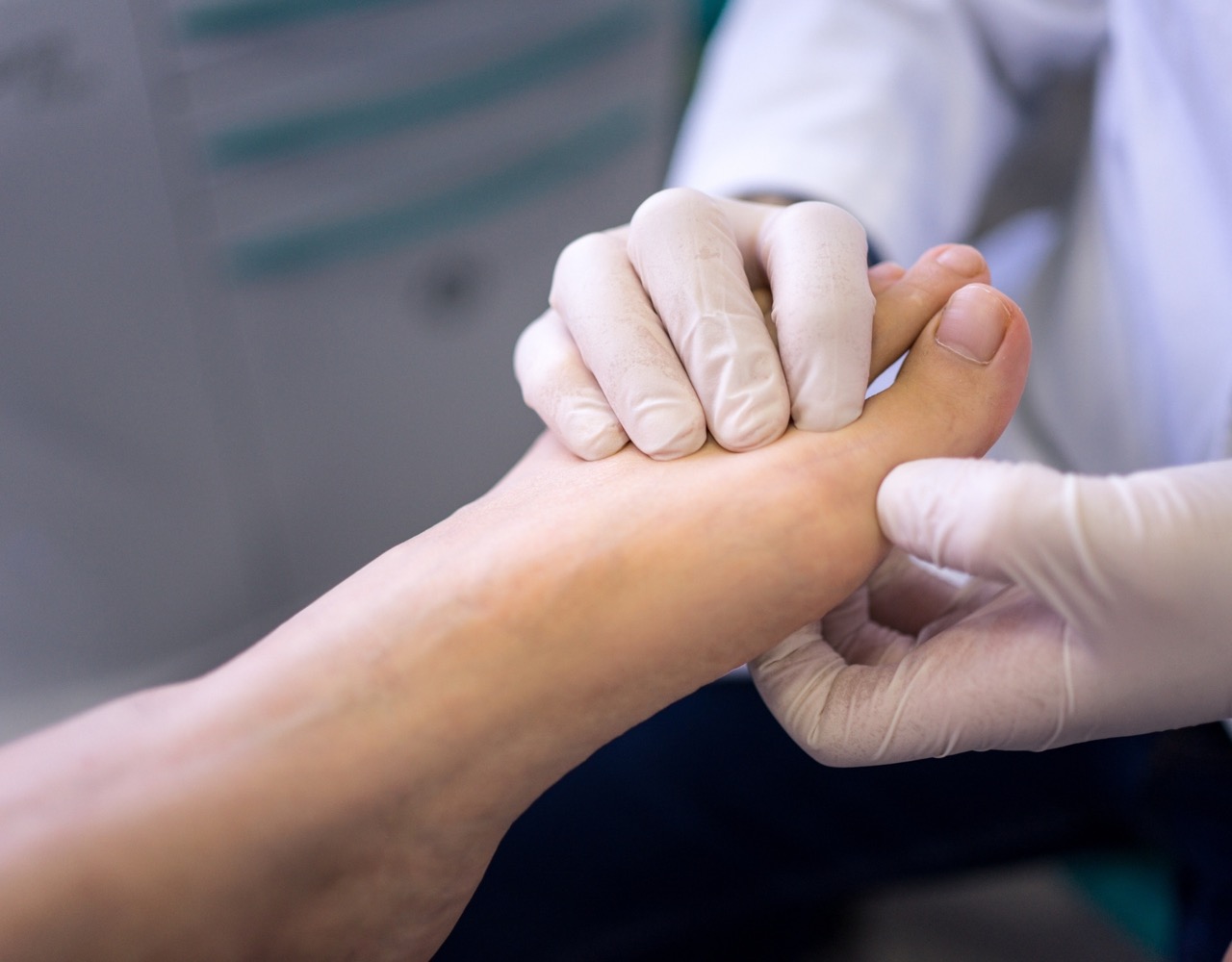
The Importance of Foot Assessment and Examination:
The feet are the body’s “second heart” and the fundamental foundation for weight-bearing and movement. Healthy foot structure and normal function directly affect gait, physical balance, and even the health of the knees, hips, lower back, and spine.As a professional and scientific diagnostic tool, foot assessment and examination not only identifies the root causes of existing foot pain and structural abnormalities but also detects potential foot disorders in advance. It is a critical step in protecting foot health, preventing chronic pain, and maintaining full-body motor function, and is irreplaceable for people of all ages and lifestyles..
Basic Assessment Items
Heel pain, stinging in the sole, arch soreness during daily walking or standing, as well as radiating pain in the knees or lower back, are often not local problems. They stem from hidden issues such as abnormal foot structure (flat feet, high arches, hallux valgus), gait imbalance, and shifted plantar pressure points. Common relief methods only reduce pain temporarily without addressing the root cause, leading to repeated and worsening symptoms.
Professional foot assessment and examination use multi‑dimensional approaches including detailed structural analysis, dynamic gait analysis, and plantar pressure testing. They accurately evaluate the condition of foot bones, ligaments, and muscles, identify the causes of gait imbalance and high‑pressure areas, and locate the true source of foot and related limb pain. This provides a scientific basis for targeted treatment and correction, avoids ineffective or delayed care, and achieves genuine root‑cause resolution.
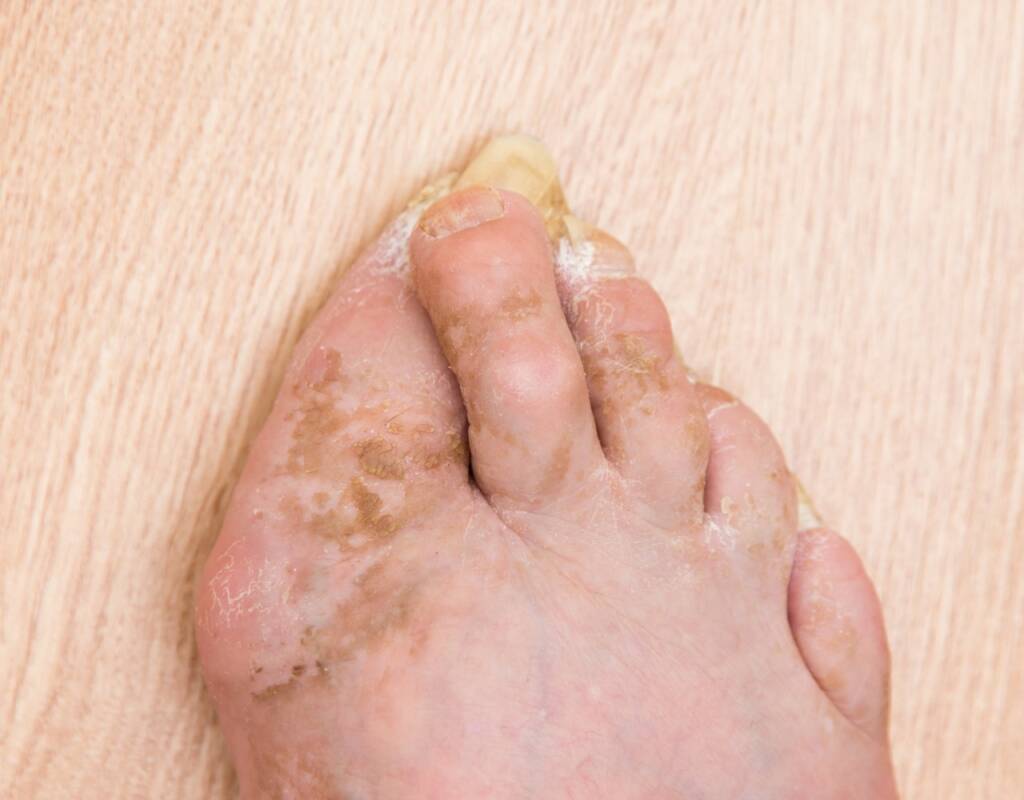
- Detailed Foot Structural Examination: Screen for congenital and acquired structural abnormalities such as flat feet, high arches and hallux valgus; assess the developmental and degenerative status of joints, ligaments and bones.
- Dynamic Gait Analysis: Evaluate foot pressure distribution during walking and standing through dynamic testing to identify the causes of gait imbalance.
- Plantar Pressure Measurement: Precisely locate high-pressure points on the plantar surface to identify the core mechanical triggers of fasciitis, calluses and pain.
- Foot Functional Evaluation: Test the range of motion of ankle and toe joints; assess muscle and ligament tension and functional status.
Specialised Examination Items
Structural foot conditions such as flat feet, high arches and hallux valgus may be caused by congenital development, or acquired by long-term abnormal weight-bearing, improper footwear and poor exercise habits. They often show no obvious pain in the early stage and are easily overlooked. However, with age and accumulated weight-bearing stress, these structural abnormalities can gradually lead to gait distortion and foot joint degeneration. They not only trigger chronic pain such as plantar fasciitis and heel pain, but also increase stress on lower limb joints, causing genu varum / valgum, hip discomfort, and even whole-body skeletal problems such as scoliosis.
Foot assessment and examination can detect these potential structural abnormalities at an early stage. This is especially important for toddlers and growing children, whose foot bones and ligaments are not yet fully developed — making it the golden period for correction. Early assessment allows personalised correction plans (such as custom orthotic insoles) to prevent structural abnormalities from worsening with growth and reduce the risk of acquired foot disorders. For adults, timely structural assessment can slow joint degeneration through scientific correction and weight-bearing adjustment, preventing minor issues from developing into irreversible deformities.
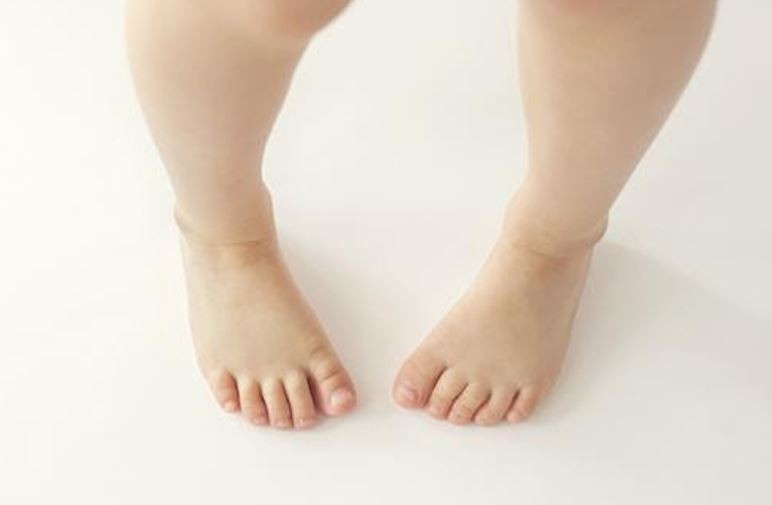

Paediatric Foot Development Assessment: Screen for developmental issues such as flat feet and foot deformities in children; evaluate arch and skeletal growth trends to provide a basis for early correction.
Post-Injury Rehabilitation Assessment: For patients with a history of foot fractures and sprains, test healing status and weight-bearing recovery to guide scientific rehabilitation.
Pain Source Localisation: Precisely identify the injured site and cause of existing pain such as plantar fasciitis, heel pain and ankle pain.
Diabetic Foot Specialised Assessment: For diabetic patients, test foot sensation, blood circulation and skin condition to proactively prevent complications such as ulcers and infections.
Preventive Foot Screening: Comprehensive screening for potential foot pathology risks in high-risk groups such as those with prolonged standing jobs, athletes and the elderly.
Suitable For
The feet are the foundation of the body’s weight-bearing system. Structural abnormalities, gait imbalance and potential injuries that are not detected early can easily develop into chronic pain, joint degeneration and even deformity. Therefore, a foot assessment and examination is strongly recommended if you have any of the following conditions:
- Individuals with vague foot or lower limb pain when walking/standing without a clear identified cause
- Those with structural abnormalities such as flat feet, high arches and hallux valgus seeking a correction plan
- Children in the toddling or growth stage requiring foot development monitoring
- Patients in rehabilitation after foot sprains or fractures needing functional assessment
- Those with referred knee, lower back or waist pain suspected to be related to foot pressure distribution
- Diabetic patients in need of regular screening for foot pathologies
- Individuals with prolonged standing jobs and sports enthusiasts looking to prevent foot strain
- Health-conscious individuals seeking regular preventive foot screening
The causes of lower limb dysfunctions are complex and multifaceted. If left unaddressed, severe cases can lead to knee, hip and spinal pain. Accurate and detailed examination is therefore essential.
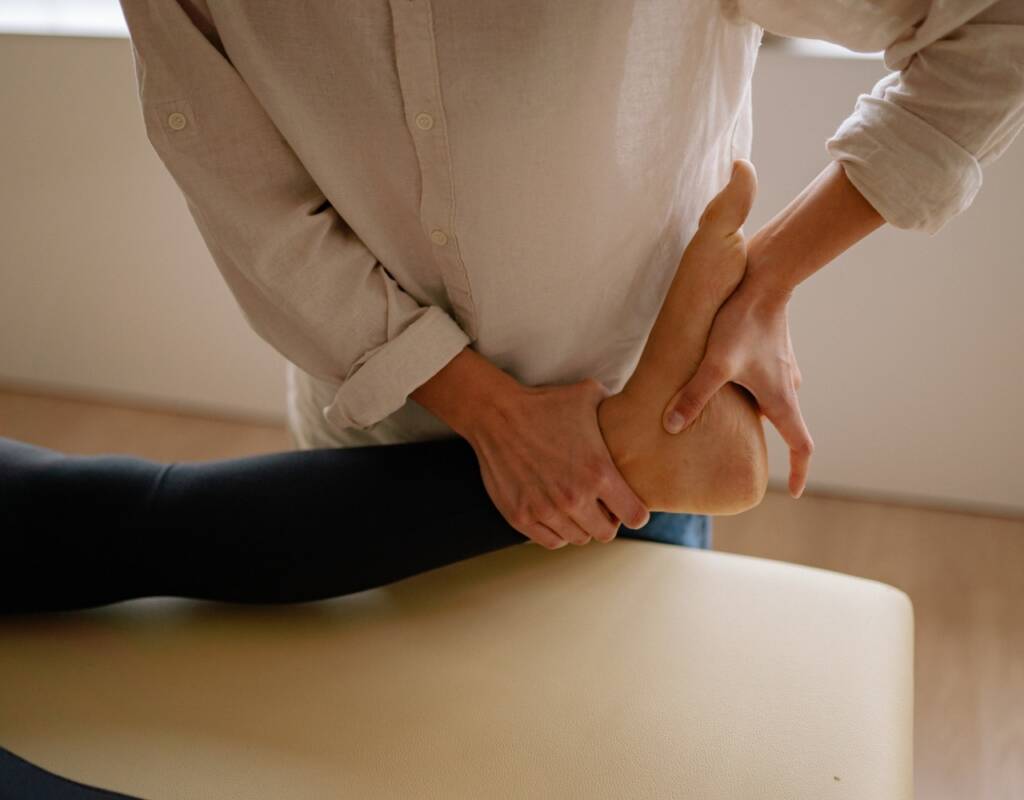



We Recommend a Foot and Ankle Health Check If You Experience:
- Frequent foot pain
- Unnatural lower limb posture or a stiff, restricted feeling when standing or walking
- Increased risk of falls
- Uneven or abnormal shoe sole wear
- Easy deformation of shoes
- Difficulty finding comfortably fitting shoes
Archangel Podiatry – Our Professional Assessment & Treatment
Australian Registered Podiatrists, Personal Consultation
We develop personalised treatment plans following the principles of minimal discomfort and complete root-cause resolution.adhere to medical-grade care standards for guaranteed professionalism and reliability.
Clear Treatment Plans, One-Stop Foot Problem Solutions
Not only address superficial symptoms, we also conduct in-depth analysis of the underlying causes to deliver comprehensive solutions. After diagnosis, we provide a detailed explanation of the problem’s cause, treatment plan and associated costs—no hidden fees.