
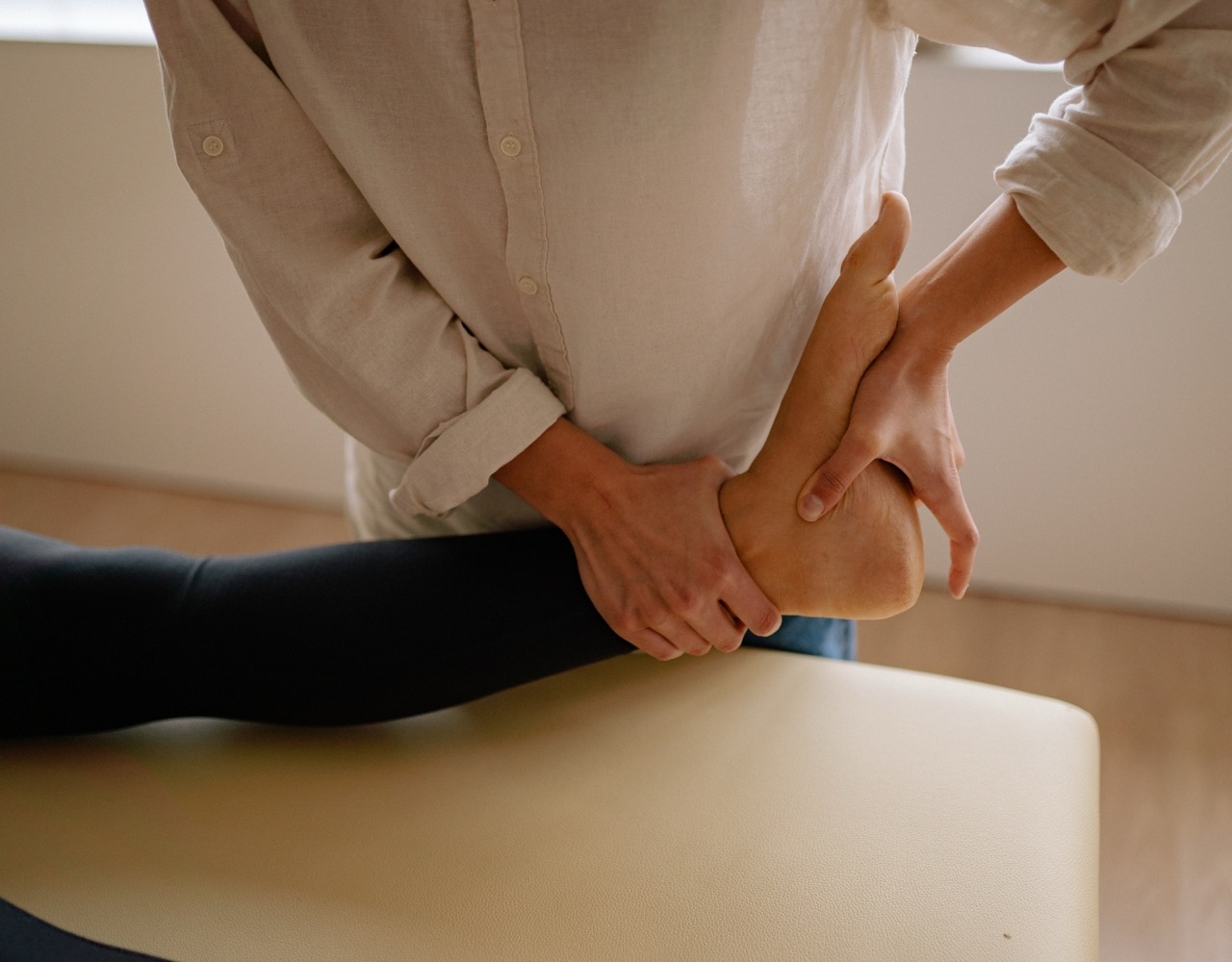
The feet are the primary weight-bearing structure of the body, connecting the lower limbs to the torso. Structural abnormalities, injuries or degeneration in any area from the ankle to the toes can cause persistent or recurrent pain. Such pain not only impacts walking and exercise, leading to mild daily activity limitations, but may also trigger referred pain in the knees and lower back. In severe cases, foot deformities and abnormal pressure distribution can increase the burden on lower limb joints, significantly reducing quality of life.
At Archangel Podiatry, our Australian Registered PodiatristAustralian Registered Podiatristincluding hallux valgus, ankle osteoarthritis, flat feet,foot pathologies associated with rheumatoid arthritis,and persistent pain following fractures and sprains.With precise assessment, medical-grade treatment, functional correction and rehabilitation training,we deliver non-surgical, safe and root-cause pain relief solutions.
Suitable For
- Pain in the feet when running or jumping
- Achilles tendon or heel pain when walking
- Pain when placing the feet on the floor
- Numbness in the legs
- Swelling, redness and heat in the legs
- Big toe deformity
Targeted Treatment for Combined Lower Limb & Foot Pain
The core causes of foot and lower limb pain are abnormal pressure distribution, structural abnormalities, unhealed injuries or degeneration. We clearly classify such pain into two categories—lower limb pain and foot pain—and develop personalised treatment plans for different areas and causes to avoid blind intervention.
Common Types of Foot & Lower Limb Pain:
- Lower Limb Pain (Often linked to abnormal foot alignment and worsened by foot issues):
- Degenerative knee osteoarthritis
- Degenerative hip osteoarthritis
- Foot Pain (From ankle to toes, covering inflammation, ligament injuries, deformities, joint pathologies and post-traumatic sequelae):
- Plantar fasciitis
- Ankle ligament sprains / chronic ankle instability
- Hallux valgus
- Ankle osteoarthritis
- Flat foot-related pain
- Foot joint pathologiescaused by rheumatoid arthritis
- Persistent pain after fractures and sprains
- Heel pain, metatarsalgia, hammer toes, claw toes, sports-related strain, etc.
Professional Treatment Scope
I. Lower Limb Pain (Affected by foot issues, mostly rooted in abnormal foot pressure distribution)
Lower limb pain is often associated with abnormal foot structure and gait. Imbalanced foot pressure directly increases the burden on the knee and hip joints, leading to chronic pain over time. Common types include:
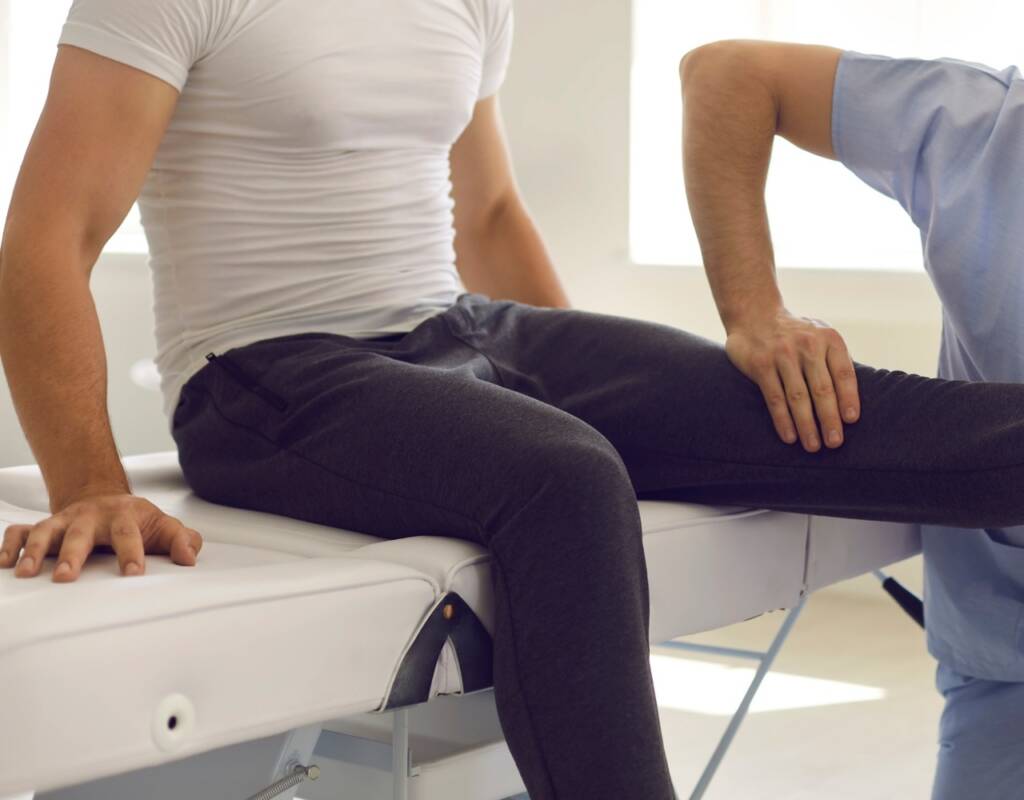
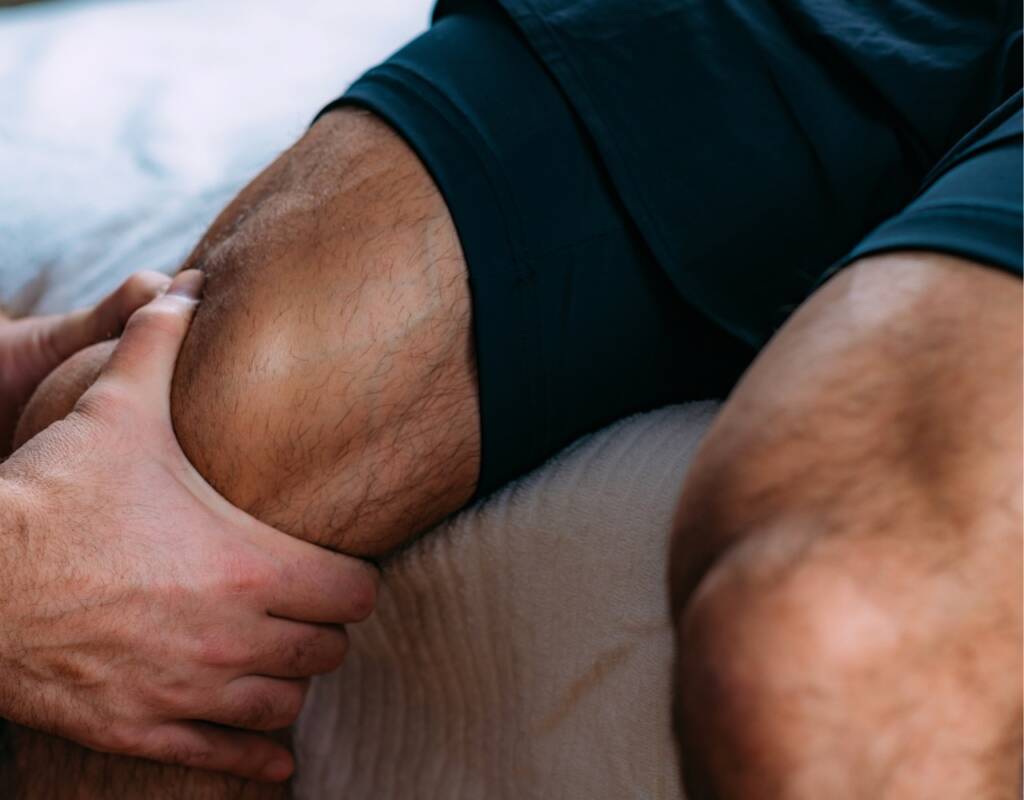
1. Degenerative Knee Osteoarthritis
Characterised by pain, swelling, stiffness and pain when climbing stairs, caused by articular cartilage wear, inflammation and abnormal alignment. Abnormal foot alignment (e.g., flat feet, fallen arches) drastically increases knee joint pressure and accelerates degeneration.
We adjust lower limb alignment with orthotic insoles to reduce joint load, combined with anti-inflammatory relief and exercise guidance for effective symptom improvement.
2. Degenerative hip osteoarthritis
Presents as hip pain, stiffness and limited movement, which may radiate to the thigh and knee. Abnormal gait and imbalanced foot pressure are common triggers and aggravating factors.
We start with correcting foot alignment to improve the overall weight-bearing pattern and reduce hip joint pressure.
II. Foot Pain (From ankle to toes, covering deformities, injuries and inflammation)
Foot pain directly impacts daily activities, affecting all areas from the ankle to the toes, including inflammation, deformities and post-traumatic sequelae. Common types include:
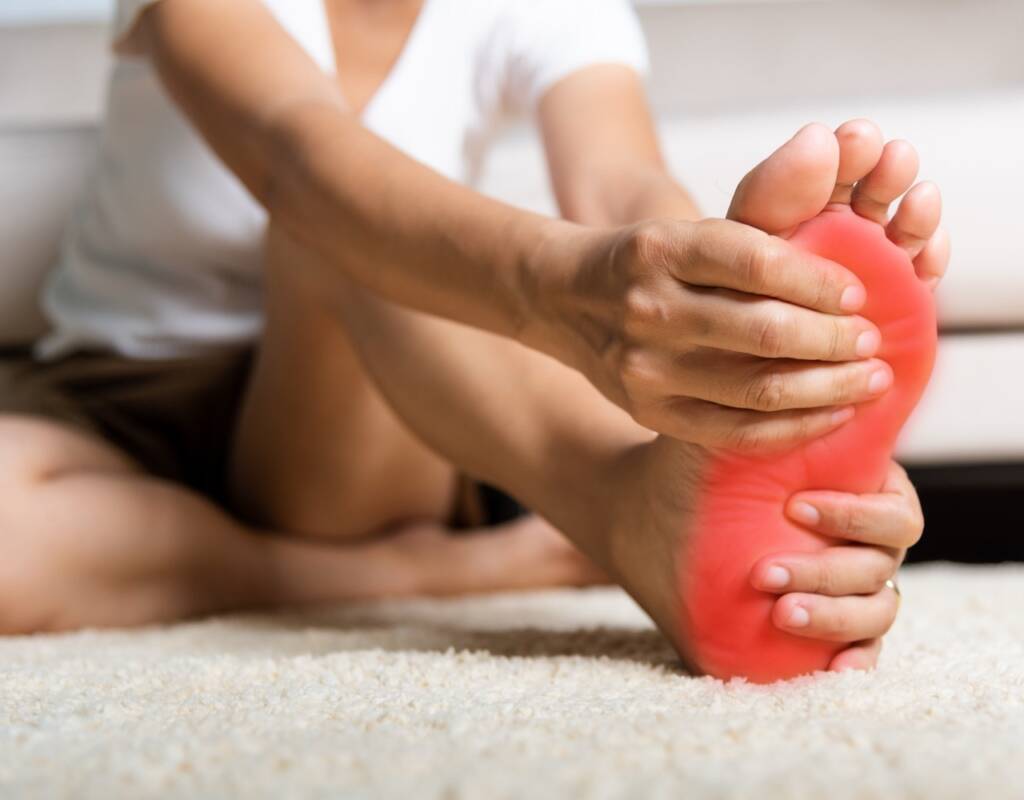
1. Plantar Fasciitis
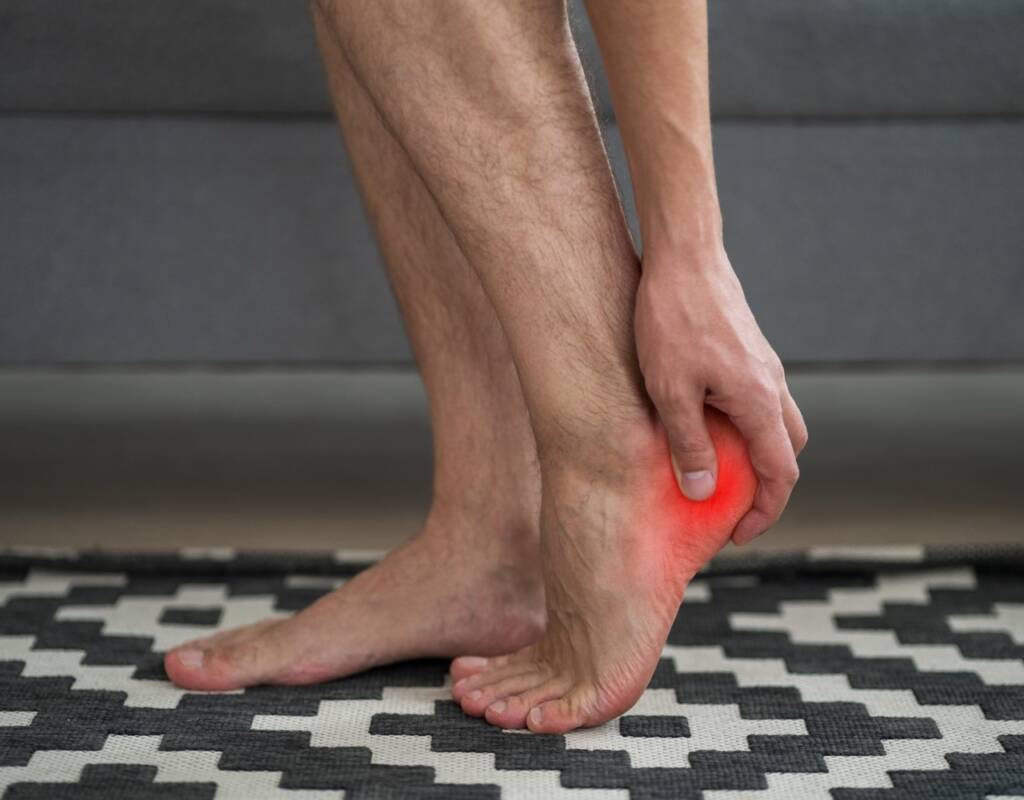
The most common foot pain condition, typical symptoms includepain with the first step in the morning, stabbing pain on initial weight-bearing, and worsening pain after prolonged standing.It is mostly associated with abnormal foot arches, improper shoe wear and overstrain.
2. Ankle Ligament Sprains / Chronic Ankle Instability
Improper management of acute sprains can lead torecurrent sprains, chronic pain, joint laxity and persistent swelling..
We provide swelling and pain relief with stabilisation for acute cases, as well as ligament repair, muscle strength training and stability correction for chronic cases.
3. Hallux valgus
Deviation of the big toe outward and inward displacement of the first metatarsal, forming a bony bump, which easily causes joint pain, redness, swelling and friction pain, and may be accompanied by metatarsalgia, corns and hammer toes.
We offer decompression care, orthotic insole correction, shoe wear guidance and painless corrective aids to relieve pain and slow the progression of deformity.
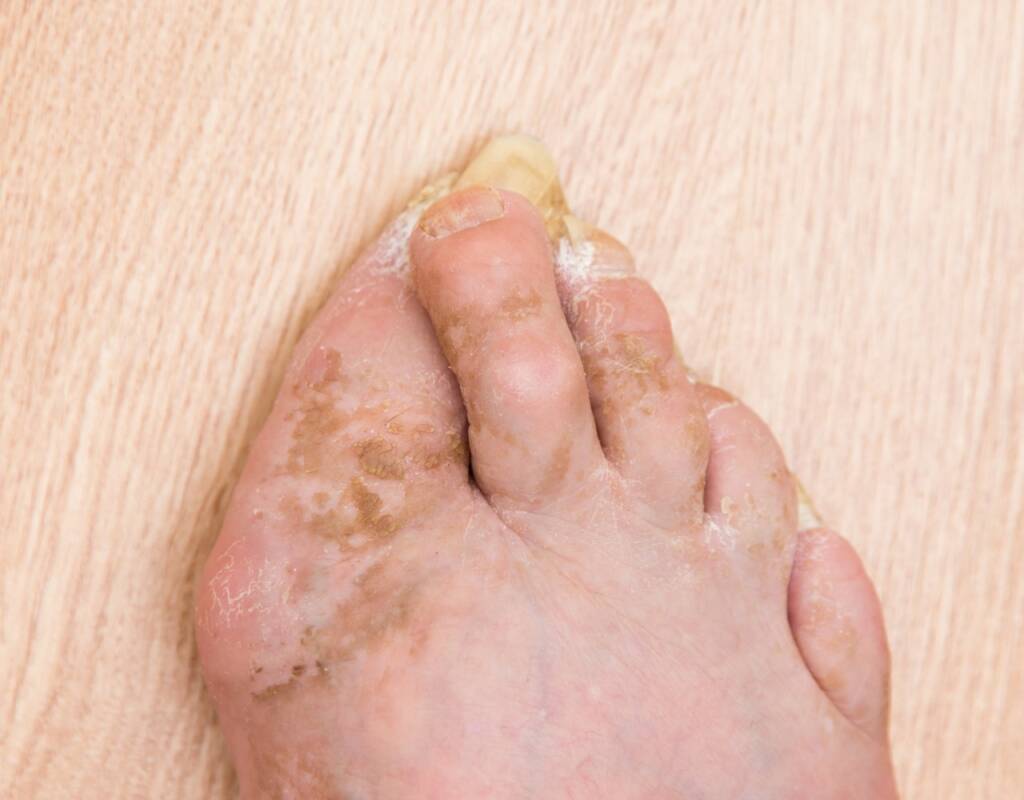
4. Ankle osteoarthritis
Degeneration, wear and inflammation of the ankle articular cartilage,common in individuals with a history of fractures, sprains, recurrent trauma or long-term overstrain.Symptoms include joint pain, stiffness, swelling and a grinding sensation during movement.
We improve joint function and relieve discomfort with anti-inflammatory care, joint decompression, alignment adjustment and stability training.
5. Flat Feet
Fallen foot arches cause easy fatigue and soreness in the feet, and may secondary lead to plantar fasciitis, hallux valgus, knee pain and lower back pain.
We providearch support with custom functional orthotic insolesto redistribute pressure and improve long-term overstrain.
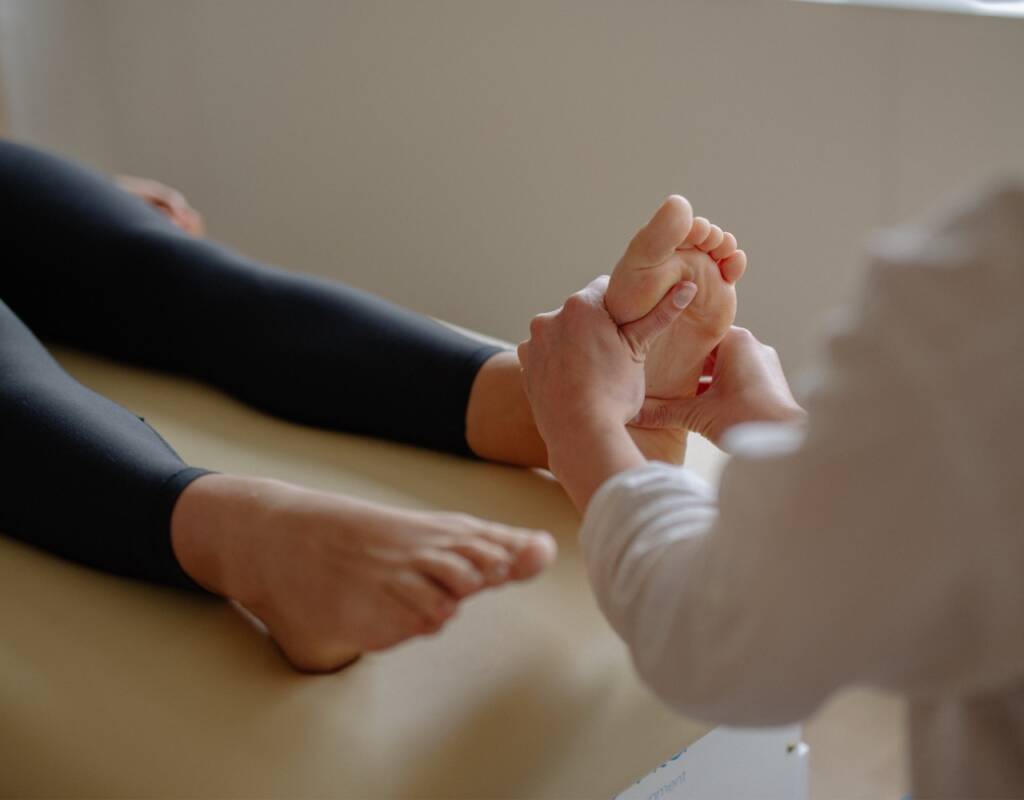
6. Rheumatoid Arthritis (Foot Pathologies)
An autoimmune disease that oftenaffects multiple foot joints, causing symmetrical joint pain, swelling, stiffness, deformity and limited movement..
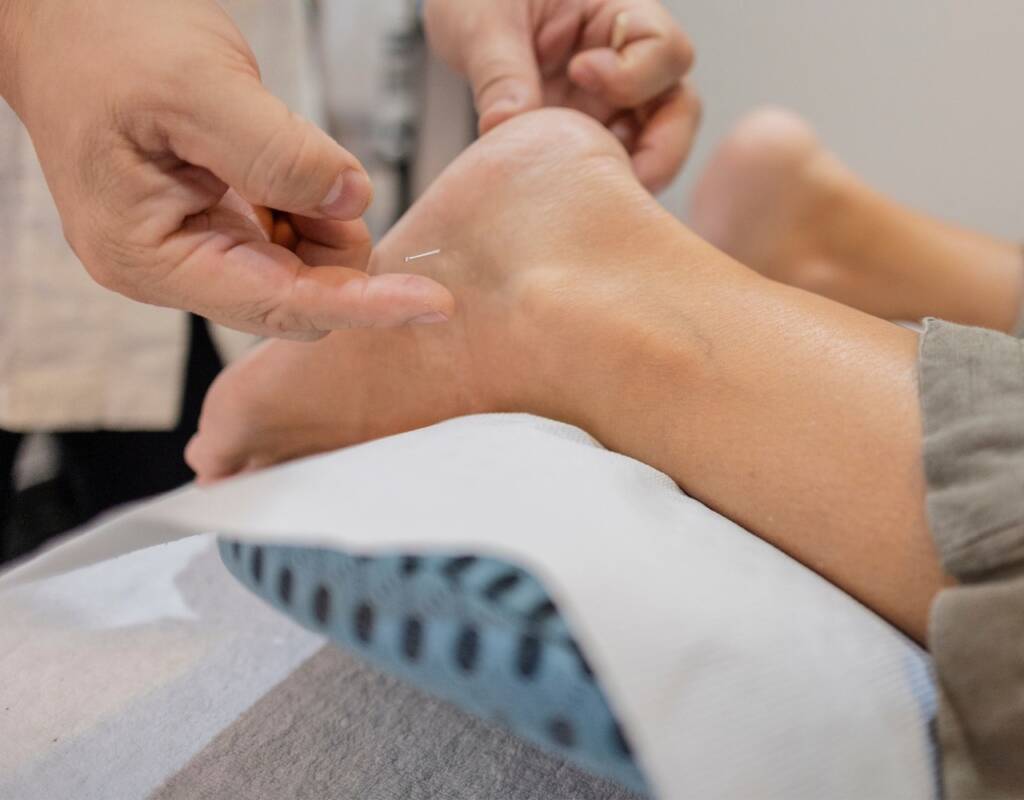
7. Persistent Pain After Fractures and Sprains
Long-term pain in the foot or ankle after trauma, caused by incomplete healing, soft tissue adhesions, abnormal alignment and joint instability.
We conduct professional assessments to address soft tissue pathologies, improve pressure distribution, enhance stability and restore normal walking function.

8. Other Common Foot Pains
Including heel pain, discomfort from heel spurs, forefoot pain (metatarsalgia), toe joint pain, pain from hammer/claw toes, sports injuries (runner’s foot, foot strain after hiking), and muscle fatigue and pain from prolonged standing or walking—all of which receive precise targeted treatment.
Finally, many people ask about foot pain treatment: Why prioritise a Registered Podiatrist over massage relief or traditional bone-setting therapy?
First, an objective clarification: Massage and bone-setting treatments are not completely useless. Their core value is limited to relaxing over-tight leg and foot muscles, and temporarily relieving superficial swelling and pain from acute sprains and strains. Nevertheless, most recurrent foot pain that affects walking is not caused by muscle tightness or poor circulation. The true root causes include abnormal foot biomechanics, structural damage, nerve entrapment, and pathological changes linked to organic conditions or chronic illnesses. This is the fundamental difference between a Registered Podiatrist, massage therapy and traditional bone-setting.
It also explains why countless patients cannot fully resolve their pain long-term, even with regular massages and bone-setting care:
1. Vast Gap in Medical Diagnostic Ability: Only by pinpointing the root cause can lasting recovery be achieved.
The foot is one of the most intricate structures in the human body. Each foot contains 26 bones, 33 joints, and more than 100 ligaments and muscles.For most chronic foot pain conditions, the painful area is rarely the true source of the problem.
Our Registered Podiatrists at Archangel Podiatry:
- aking Australian registered qualifications as an example, in addition to completing 4–6 years of systematic medical education and professional certification, our Registered Podiatrists bring over 25 years of clinical experience. They are fully proficient in foot anatomy, biomechanics, pathophysiology and diagnostic imaging, with comprehensive capabilities for accurate disease differential diagnosis.
- For heel pain alone, we can accurately differentiate between plantar fasciitis, heel spurs, fat pad atrophy, Morton’s neuroma, calcaneal stress fractures and diabetic peripheral neuropathy.
- For knee pain, we trace its origin to lower limb malalignment caused by flat feet or high-arched feet, rather than only treating local knee discomfort.
- Accurate diagnosis is the foundation of all treatment. We reject the superficial approach of “treating the symptom without addressing the root cause”.
II. Completely Different Treatment Logic: Temporary Pain Relief vs. Tackling the Root Cause
For example, plantar fasciitis and knee pain commonly triggered by flat feet are rooted in lower limb malalignment caused by collapsed foot arches. When walking, the plantar fascia and knee joints are continuously overstretched, leading to aseptic inflammation.
- Massage only relaxes tight fascia, and traditional bone-setting therapy can merely reduce swelling. Neither method is able to correct collapsed foot arches. As long as patients walk normally, the fascia and joints will keep sustaining damage, resulting in recurring pain. Long-term reliance on passive relaxation will even weaken foot muscle strength, further aggravating postural imbalance. This turns acute pain into persistent, hard-to-cure chronic pain.
- When addressing plantar fasciitis caused by flat feet, we never only treat the inflamed fascia. Instead, we correct foot biomechanics with custom orthotic insoles to prevent excessive stretching of the plantar fascia. Paired with professional soft tissue release techniques and rehabilitative training to strengthen foot muscles, we eliminate recurring inflammation from the source.
This is our core principle:Treatment efficacy hinges on the podiatrist’s professional skills, not surgical equipment. Whether pain can be fully resolved depends on personal daily habits.;
We treat the person with underlying physical issues, not just the painful spot alone.
III. Marked Difference in Safety: Avoid Treatment Contraindications to Prevent Deterioration
Foot pain can often be a hidden sign of systemic chronic diseases and organic damage. Blind and improper intervention is not only ineffective, but may also lead to serious health risks — this is especially crucial for elderly people and those with chronic illnesses.
- For example, during the acute phase of plantar fasciitis, aggressive kneading of fascial insertion points may cause fascial tears and worsen inflammation. A condition that could recover within one month may turn into chronic, intractable pain lasting six months or longer. 【Within 48 hours of an acute ankle sprain】, vigorous rubbing or hot compresses will aggravate capillary bleeding and swelling, directly doubling the recovery timeline.
- Our Registered Podiatrists are equipped with comprehensive medical knowledge. Prior to treatment, they conduct a thorough review of each patient’s medical history and physical status, identify all treatment contraindications, and create safe, personalised care plans to eliminate risks from the root.
- Podiatrists strictly abide by the pathological staging of injuries and follow standardised treatment protocols. We never carry out procedures that contradict the body’s natural healing mechanisms. Nor do we resort to over-treatment for short-term relief or push unnecessary treatment courses.
IV. Full-Cycle Foot Health Management
The feet are the foundation of the entire human body. Foot pain not only affects mobility, but also triggers secondary knee pain, lower back pain and hip pain. It may even hinder skeletal development in teenagers and accelerate the deterioration of chronic illnesses in the elderly.For this reason, our Registered Podiatrists provide full-cycle foot health management suitable for all age groups::
- 【For teenagers】 We assess flat feet, high-arched feet and abnormal walking patterns, and deliver early intervention and correction. This prevents adult-onset hallux valgus, chronic knee pain and lower back discomfort.
- 【For sports enthusiasts】(hikers, marathon runners, endurance athletes, etc.) We evaluate gait and foot biomechanics to correct abnormal movement patterns. Beyond treating sports injuries, we help boost athletic performance and prevent recurrent damage.
- 【For middle-aged, elderly and chronic disease patients】 We offer long-term foot care and risk control for chronic conditions including diabetes, peripheral arterial disease and degenerative osteoarthritis, effectively avoiding serious complications such as foot ulcers and amputation.
- 【For pregnant women, and office workers with prolonged sitting or standing】 We provide personalised correction and rehabilitation plans for collapsed foot arches and plantar pain caused by weight changes and poor postural habits. Our service focuses on long-term improvement, not just temporary pain relief, to stop recurring foot discomfort.