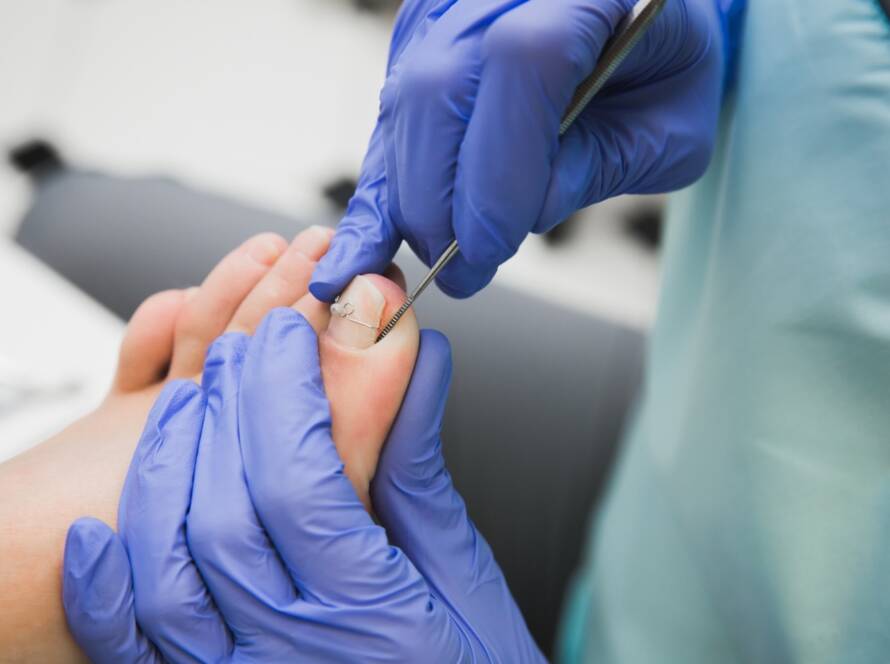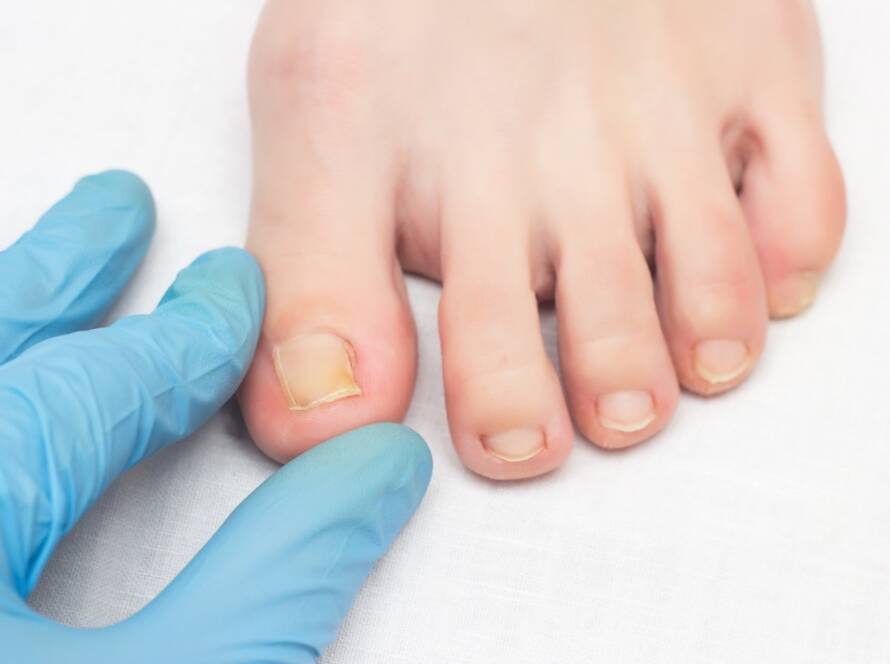

Fungal nails, medically known as onychomycosis, are a common condition caused by fungal infections such as dermatophytes, leading to nail discoloration and thickening. The condition is contagious, with higher susceptibility among middle-aged, elderly and diabetic groups. This article details its causes, prevention & care tips, and common misconceptions.
1. Is Fungal Nail a Medical Condition?
Fungal nail, medically known as onychomycosis — while the type triggered by dermatophytes is also called tinea unguium — is essentially a nail disorder caused by pathogenic fungal infection on fingernails and toenails. Fungal nail problems are not directly brought on by poor nutrition or genetic conditions.
While susceptibility varies among individuals, fungal nail is fundamentally an infectious fungal condition. The main pathogens that cause fungal nail are dermatophyte fungi, with Trichophyton rubrum being the most common strain. In rare cases, infections may also be triggered by Candida species and other types of fungi.
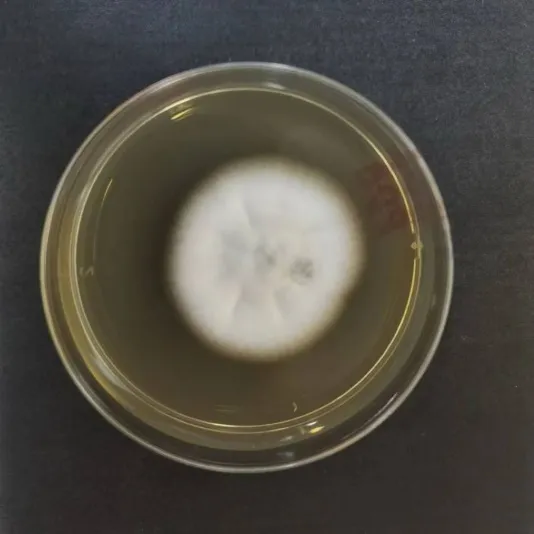
Fungal nail infection usually starts at the distal edge of the nail plate (toward the fingertip) or the skin junction on both sides of the nail.
Fungi first invade the underside or surface layer of the nail plate, feeding on keratin as a nutrient source to grow and reproduce.
After infection, affected fingernails and toenails will show typical abnormal changes::
Abnormal discoloration: The most visible sign. Nails lose their natural luster and turn cloudy white, yellow, brown or even greyish-black.
Textural changes: The nail plate becomes noticeably thickened, brittle and crumbly, with a rough, uneven surface.
Severe symptoms: The nail plate separates from the underlying nail bed, forming gaps. As the condition progresses, mild pain may develop and even affect walking.
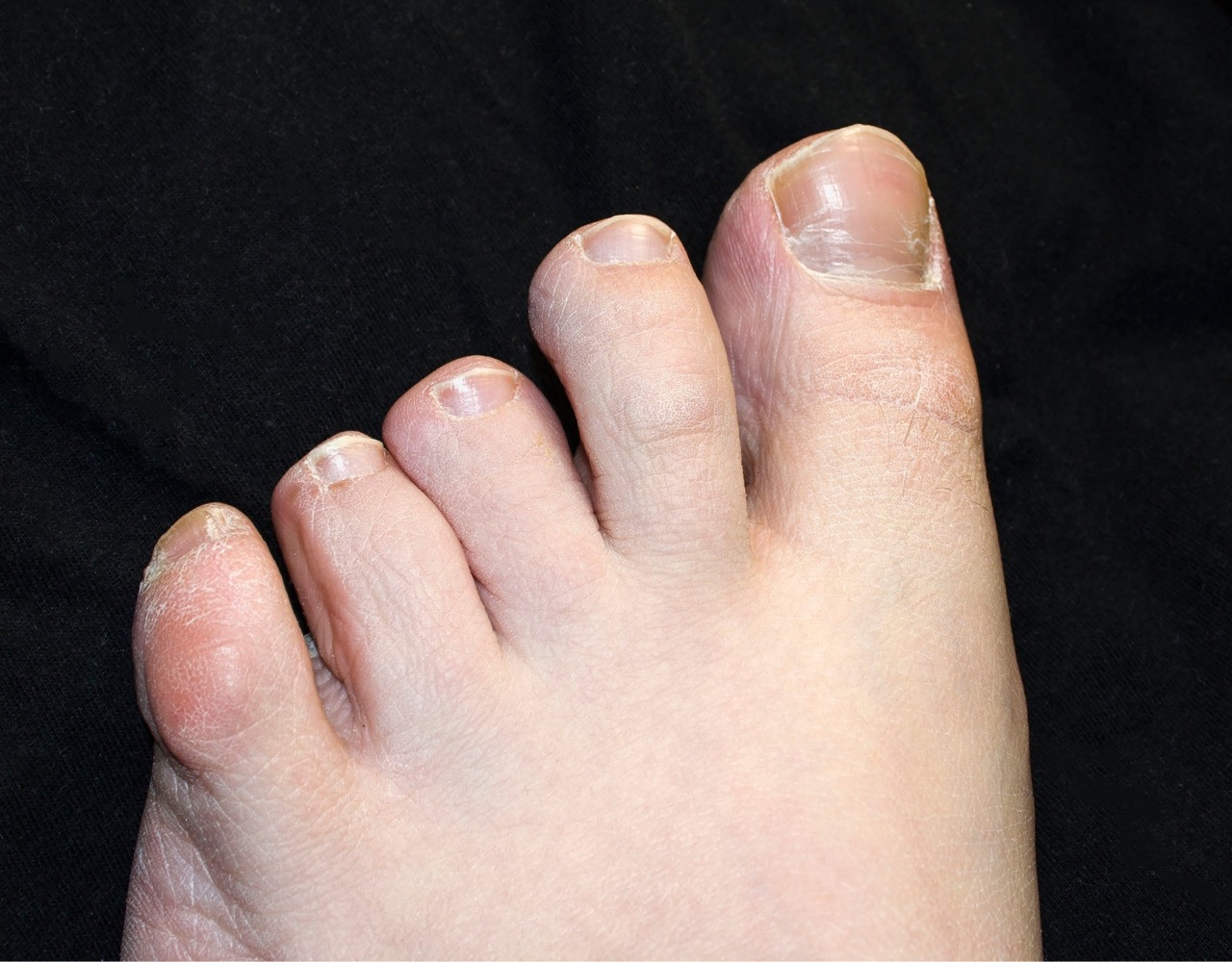
II. Who Are Prone to Fungal Nails
As a contagious condition, fungal nail is more prevalent among specific groups. Elderly people are more vulnerable to pathogenic fungi due to natural declining immunity and slowed nail growth. Likewise, those with diabetes or immunodeficiency disorders face a higher infection risk caused by weakened immune function.
Certain daily habits and physical conditions can easily trigger onychomycosis (fungal nail):
- Long-term wear of enclosed, poorly ventilated shoes and socks, or frequent barefoot walking in public areas such as communal bathrooms and swimming pools, keeps feet in a constantly moist environment — creating favourable conditions for fungal growth.
- Excessive perspiration among those with hyperhidrosis of the feet also provides an ideal nutrient medium for fungi, further raising infection risks.
- Anyone with a history of tinea pedis (commonly known as Hong Kong foot) should take extra caution. Fungi on the skin may spread to adjacent nails and result in fungal nail issues.
III. What to Do If You Have Fungal Nails?
Once a fungal nail condition is confirmed, you should visit a professional podiatry clinic in a timely manner.
Our practitioners will identify the specific type of pathogenic fungi, determine whether the strain is resistant to common antifungal medications, and design personalised care plans according to the severity, coverage and potential drug resistance of the infection.
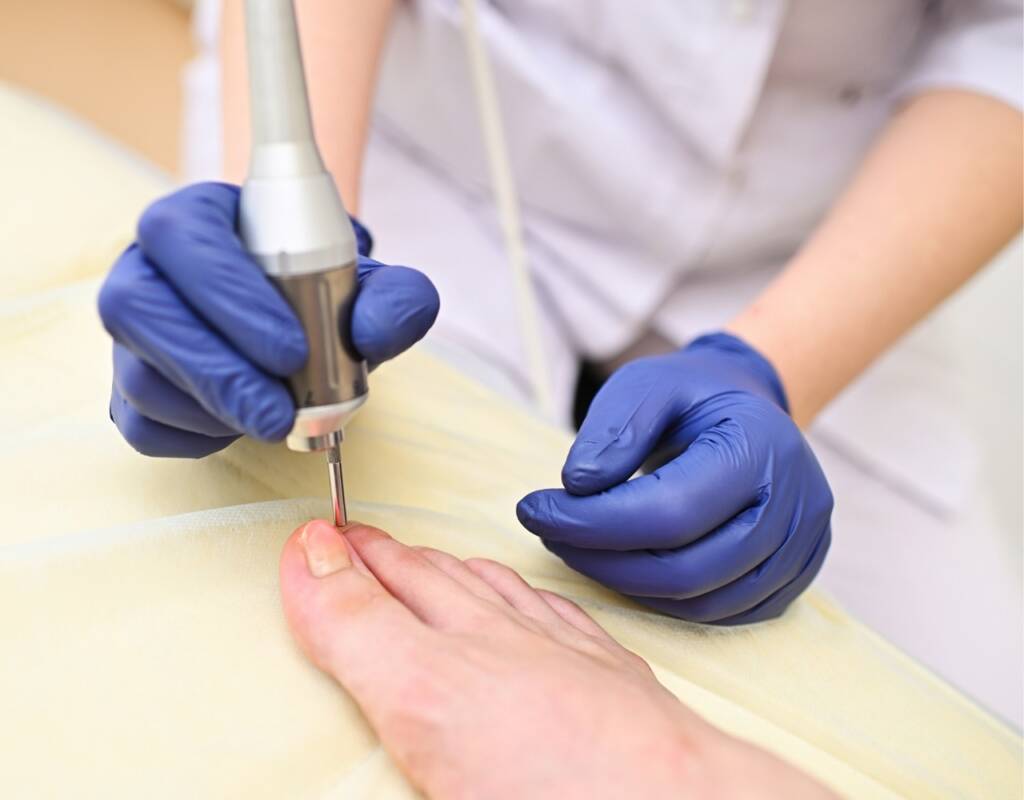
For severe cases or infections affecting multiple nails, professional guidance from a podiatry expert is essential. In addition, physical approaches such as laser support can serve as supplementary measures, tailored and delivered by qualified podiatry specialists.
Throughout the entire care journey, keep your nails and surrounding skin clean and dry at all times. Do not share personal items including nail clippers, towels and slippers with others, to lower the risk of cross-contaminating your family members. It is highly not recommended to use over-the-counter products on your own or discontinue professional care midway. Improper self-management often leads to setbacks or recurring issues. Consistent and standardised professional care is the key to long-term recovery from fungal nail concerns.
IV. How to Prevent Fungal Nails
The core of fungal nail prevention is to reduce contact with sources of infection, disrupt favourable environments for fungal growth, and raise personal protection awareness. Key guidelines include:
1. Keep your feet clean and dry.Wash your feet thoroughly every day, especially between the toes, and make sure to dry them completely afterwards. Wear well-fitting shoes and socks with good moisture absorption and ventilation, and replace them regularly to dispel dampness. Increase the frequency of changing footwear and socks in hot weather or when your feet sweat heavily.
2. Use personal slippers in public areas.Wear your own slippers when visiting public spaces. In humid and crowded places such as public bathhouses, swimming pools, gym changing rooms and carpeted hotel areas, walk with personal or disposable slippers at all times and avoid direct barefoot contact with the floor.
3. Dedicate personal hygiene items for exclusive use.Never share nail clippers, nail files, towels, bath slippers, foot basins and other foot-contact items with others, even within the same household. Clean and disinfect personal nail tools after each use.
4. Attend to tinea pedis in a timely manner.Unmanaged fungal infection on foot skin can easily spread to adjacent toenails. Once signs of tinea pedis appear, seek professional care early to fully eliminate fungal sources on the skin.
5. Boost protection for high-risk groups.People with low immunity, such as the elderly, diabetic patients and those with chronic underlying conditions, should follow the above preventive rules strictly. Properly manage chronic health issues — for example, stabilising blood sugar through diet, exercise and medication — to sustain immune function. This restricts favourable growth conditions for fungi and effectively cuts down infection risks.
Preventing fungal nails requires long‑term consistent effort.Once you spot abnormal changes to your fingernails or toenails, including discoloration (white, yellow or dark tones), thickening, brittleness and nail separation, please visit a professional medical centre for timely diagnosis.
Early detection and intervention are critical for successful recovery and preventing further fungal spread.As a professional podiatry clinic, our Australian Registered Podiatrist has 25 years of clinical experience in corn treatment. Leveraging years of expertise,
For fungal nail concerns, we accurately assess each condition and provide targeted care based on professional expertise. We offer comprehensive fungal nail care programmes, with precise removal that protects surrounding healthy skin, featuring minimal wounds, low discomfort and fast recovery.
V. Common Misconceptions About Fungal Nails
Myth 1: Fungal nails can heal naturally without care — Fungal nails cannot heal on their own.
Fungal nails are caused by continuous erosion of the nail plate and nail bed by pathogenic fungi including dermatophytes. The fungi behind fungal nail issues are highly resilient and can lie dormant in nail tissues for an extended period.
Once infection occurs, fungi will keep damaging the nails. The condition rarely improves naturally on its own; instead, it tends to deteriorate gradually. It may lead to worsening nail deformation, and can even spread to other body areas such as the skin, or be transmitted to other people.
Myth 2: Fungal nails are contagious through daily contact with infected people — The risk of direct transmission via simple interaction is extremely low.
Dermatophytes and other pathogenic fungi mainly spread through contact with contaminated environmental carriers, such as shared shoes, socks, manicure tools and bathroom carpets.
Nevertheless, indirect transmission may occur if either party has broken skin, or if you touch your own feet without washing your hands after contact.
There is no need for excessive worry in daily social interactions. Simply maintain good personal hygiene and avoid sharing personal belongings.
Myth 3: All fungal nails are grey — Fungal nails are not always grey.
The colour of infected nails depends on the fungal strain and stage of the condition. Besides grey and yellow, nails may also turn white (superficial white type), brown, black (caused by pigment‑producing fungi), or even green (when combined with bacterial infection). Nail thickening, cloudiness and brittleness are far more common symptoms.
Myth 4: Nail removal is mandatory for fungal nails — Nail removal is never a must for fungal nail care.
Nail removal is neither the first-choice nor standard care for fungal nails. It is only reserved for severe cases with badly damaged nail plates, acute co-infections, or stubborn conditions where topical agents fail to penetrate. Sole nail removal cannot achieve a permanent cure, since fungi may linger in the nail bed, nail matrix and surrounding tissues.
Whether nail removal is required will be decided by a qualified podiatrist after thorough professional assessment.
Myth 5: Are folk remedies trustworthy? — Folk remedies for fungal nail care are not reliable.
Folk remedies such as vinegar soaks, garlic paste compresses and unregulated herbal preparations lack scientific backing and rigorous clinical trials to verify their safety and effectiveness.
These approaches are usually unable to eliminate fungi hidden deep within the nail plate, delaying professional care. They may also irritate the skin, triggering contact dermatitis, chemical burns or secondary bacterial infections, and complicate the overall condition.
For this reason, it is always recommended to consult a professional, registered podiatry clinic.
Professional Fungal Nail Management
All fungal nail assessments, diagnoses and treatments are provided by ourAustralian Registered Podiatrist, who leverages 25 years of clinical experience to develop personalised treatment plans following the principles of minimal discomfort and complete root-cause resolution. We not only resolve your nail issues, but also teach you daily care techniques to prevent recurrence for good.
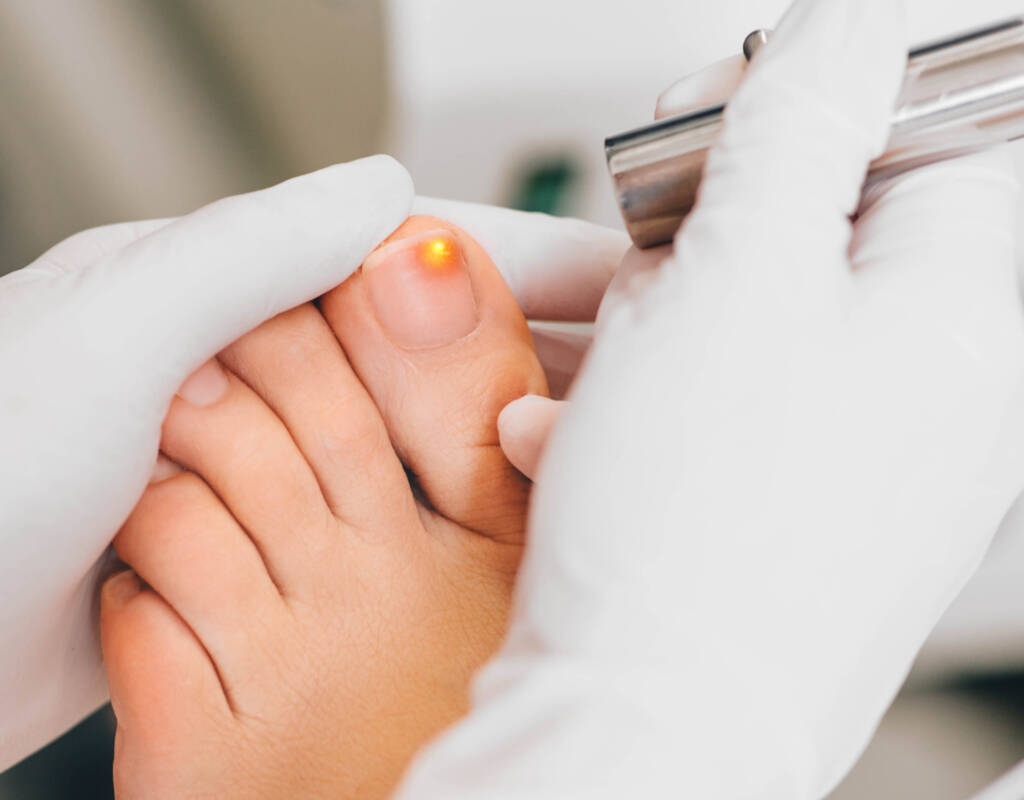
Regarding fungal nail care, the focus lies in the podiatrist’s professional techniques, rather than surgical devices. Long‑term improvement depends greatly on personal daily habits. We highly recommend consulting our team before considering any fungal nail surgery. Gain a second professional opinion and lower the risk of long-term side effects.